Why Obsessing Over Your Sleep Score Might Be Making Your Sleep Worse
You check your wrist first thing in the morning. The number stares back. 72. A wave of frustration. You felt fine until you saw the score. Now the day starts with disappointment. Sound familiar?
TL;DR
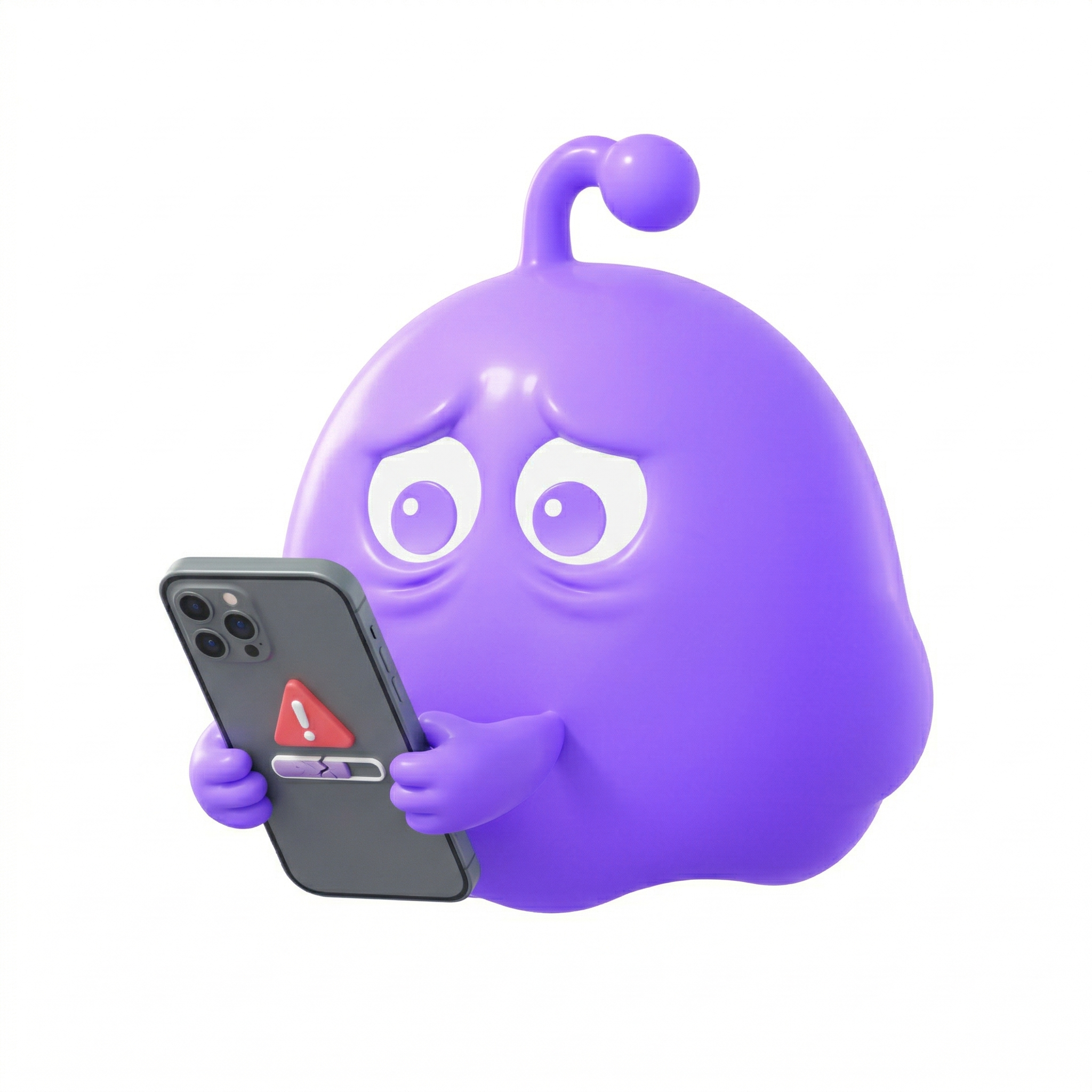
Orthosomnia — the anxiety caused by obsessing over sleep tracker scores — affects up to 30% of regular users. Research suggests reducing monitoring and focusing on actionable changes rather than numbers. piliq's narrative mode replaces scores with reassuring, context-aware messages.
The Rise of Orthosomnia
In 2017, researchers at Rush University Medical Center coined the term Orthosomnia — a preoccupation with achieving perfect sleep data that actually disrupts sleep. The study found patients who were so fixated on their tracker data that it triggered anxiety at bedtime, creating a self-defeating cycle.
Since then, the proliferation of consumer sleep trackers — from Apple Watch to Oura Ring to Whoop — has only amplified the problem. A 2023 meta-analysis in the Journal of Clinical Sleep Medicine estimated that up to 30% of regular sleep tracker users exhibit some degree of sleep-related anxiety tied to their device data.
Why Scores Alone Are Not Enough
Most sleep apps follow a simple formula: track your sleep, generate a score, show a chart. The implicit message is "here's your number — figure out the rest." But a score without context is noise. Knowing you scored 72 doesn't tell you why, and it definitely doesn't tell you what to do differently today.
This is the fundamental gap in most sleep technology. Measurement without actionable guidance leaves users feeling informed but helpless — a recipe for anxiety, not improvement.
"Sleep score: 78. Now what?"
The question that inspired piliq.
What the Research Suggests
Cognitive Behavioral Therapy for Insomnia (CBT-I) — the gold standard treatment for chronic insomnia — actually recommends reducing monitoring behaviors. Constantly checking the clock, reviewing data, and analyzing sleep stages can reinforce hyperarousal, the exact state that prevents sleep onset.
This doesn't mean tracking is bad. It means tracking needs to be paired with the right framing. Data should inform action, not provoke worry.
A Different Approach: Coaching Over Scoring
What if your sleep app didn't just hand you a number, but told you what to change? "You had caffeine after 2 PM yesterday. Your sleep latency increased by 12 minutes." That's not a score — it's a conversation.
This is the philosophy behind piliq. Instead of amplifying score anxiety, piliq offers a narrative mode that replaces numbers with reassuring, context-aware messages. "You got plenty of deep sleep last night" feels very different from "68."
What You Can Do Today
- Stop checking your score first thing. Give yourself 30 minutes before looking at any sleep data. Notice how you actually feel.
- Focus on one variable at a time. Instead of chasing a perfect score, pick one thing to change this week — caffeine cutoff time, screen dimming, or bedtime consistency.
- Use narrative over numbers. If your app supports it, switch to a mode that describes your sleep in words, not digits. Your brain responds better to stories than statistics.
- Trust how you feel. Subjective sleep quality is a clinically validated measure. If you feel rested, you probably are.
piliq suggests what to actually change — not just a score.