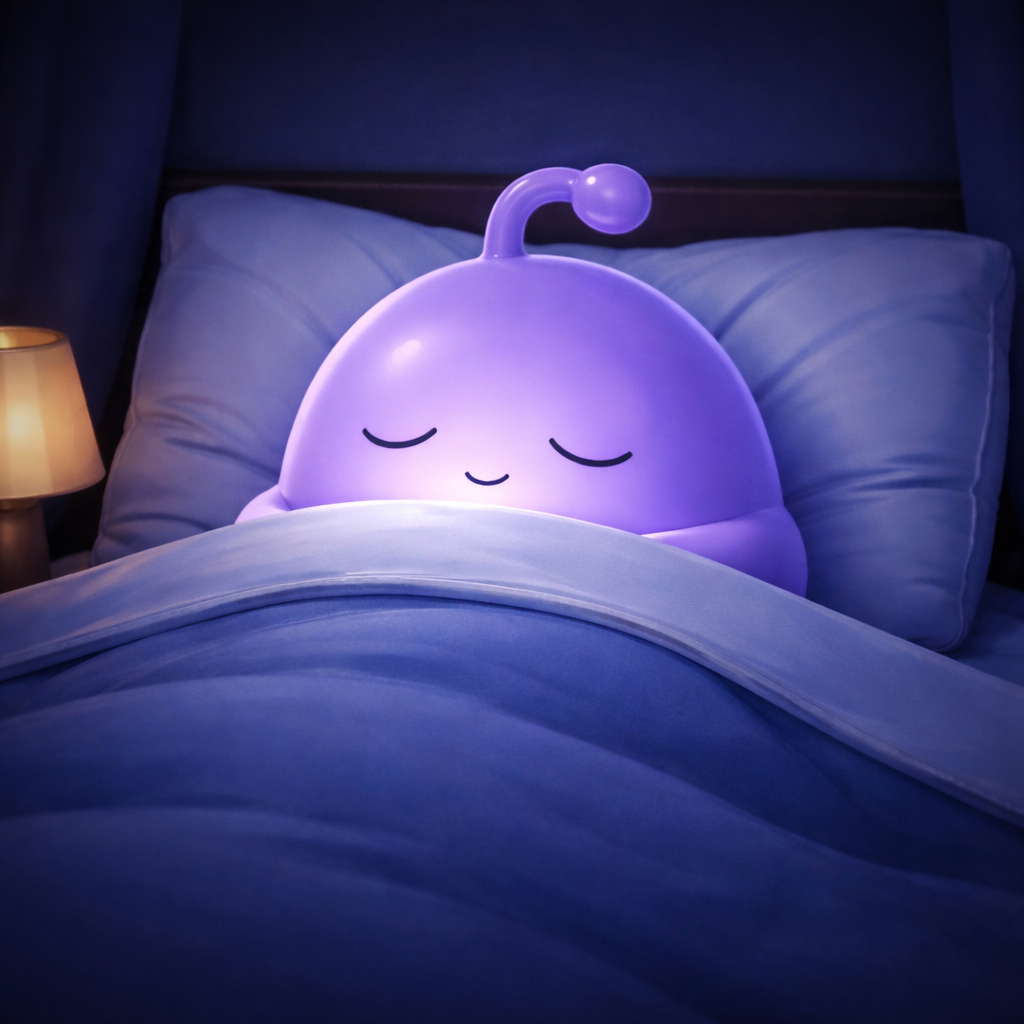
The Sleep Hygiene Checklist: 10 Habits for Better Sleep
"Sleep hygiene" may sound clinical, but at its core, it's simple: optimizing your daily habits and environment for better sleep. No pills, no complicated gadgets — just 10 changes you can start today.

TL;DR
Sleep hygiene is the set of daily habits and environmental factors that promote consistent, quality sleep. From morning light exposure to bedroom temperature, these 10 evidence-based habits can meaningfully improve your sleep without medication. piliq's AI coaching identifies which habits matter most for your specific sleep patterns.
Morning Habits (First 2 Hours)
1. Wake up at the same time every day.
Including weekends. Your circadian rhythm runs on consistency. Sleeping in just 2 hours later on weekends creates "social jet lag" that disrupts Monday mornings. Keep your wake time within ±30 minutes.
2. Get sunlight within 30 minutes of waking.
Morning sunlight (10,000+ lux) stops melatonin production and normalizes your cortisol awakening response. 10–15 minutes is enough. Even on cloudy days, outdoor light is 10x brighter than indoors.
Daytime Habits
3. Set a caffeine cutoff time.
Caffeine has a 5–6 hour half-life. Set your cutoff at 10 hours before bed. If you sleep at 11 PM, 1 PM is your last caffeine. Remember that even decaf contains 15–30mg.
4. Exercise regularly, but finish 3 hours before bed.
Regular exercise increases deep sleep and reduces sleep latency. But intense exercise raises cortisol and body temperature, so finish at least 3 hours before bed. If you need to exercise in the evening, try yoga or light stretching.
5. Nap for 20 minutes max, before 3 PM.
Long naps consume nighttime sleep pressure. 20 minutes is enough to refresh without entering deep sleep, avoiding sleep inertia (the groggy feeling after waking).
"Good sleep is built during the day, not at night."
Sleep hygiene starts long before you get into bed.
Evening Habits (2–3 Hours Before Bed)
6. Dim screens or block blue light.
Blue light (460–480nm wavelength) suppresses melatonin production by up to 50%. Activate Night Shift/dark mode 2 hours before bed. If possible, switching to a paper book or Kindle (e-ink) is even better.
7. Avoid alcohol, or stop 3 hours before bed.
Alcohol may help you fall asleep faster, but it severely disrupts the second half of your sleep. As alcohol metabolizes (3–4 hours), it suppresses REM sleep and causes rebound awakenings.
8. Create a consistent bedtime routine.
Do the same activities in the same order 30–60 minutes before bed: dim lights → warm shower → reading → 4-7-8 breathing. This signals your brain that sleep is coming. The temperature drop after a shower triggers natural drowsiness.
Sleep Environment
9. Keep your bedroom cool and dark.
Optimal sleep temperature is 65–68°F (18–20°C) because your body needs to cool down to fall asleep. Use blackout curtains to block outside light. Even LED standby lights from chargers and air purifiers are worth covering with tape.
10. Use your bed only for sleep (and intimacy).
Working, watching Netflix, or scrolling your phone in bed teaches your brain that bed is a "wakefulness zone." This is called stimulus control — a core principle of CBT-I (Cognitive Behavioral Therapy for Insomnia). If you can't sleep after 20 minutes, leave the bed and do a quiet activity elsewhere until you feel drowsy.
piliq's AI coaching analyzes your sleep data to tell you which of these 10 habits has the biggest impact on your personal sleep quality.