Alcohol and Sleep: How a Nightcap Quietly Destroys Your Sleep Architecture
You pour a glass of wine after a long day. You fall asleep quickly, sleep deeply (you think), and wake up the next morning wondering why you still feel exhausted. Here is the answer: alcohol did not give you better sleep. It gave you sedation — and sedation is not the same thing as sleep.
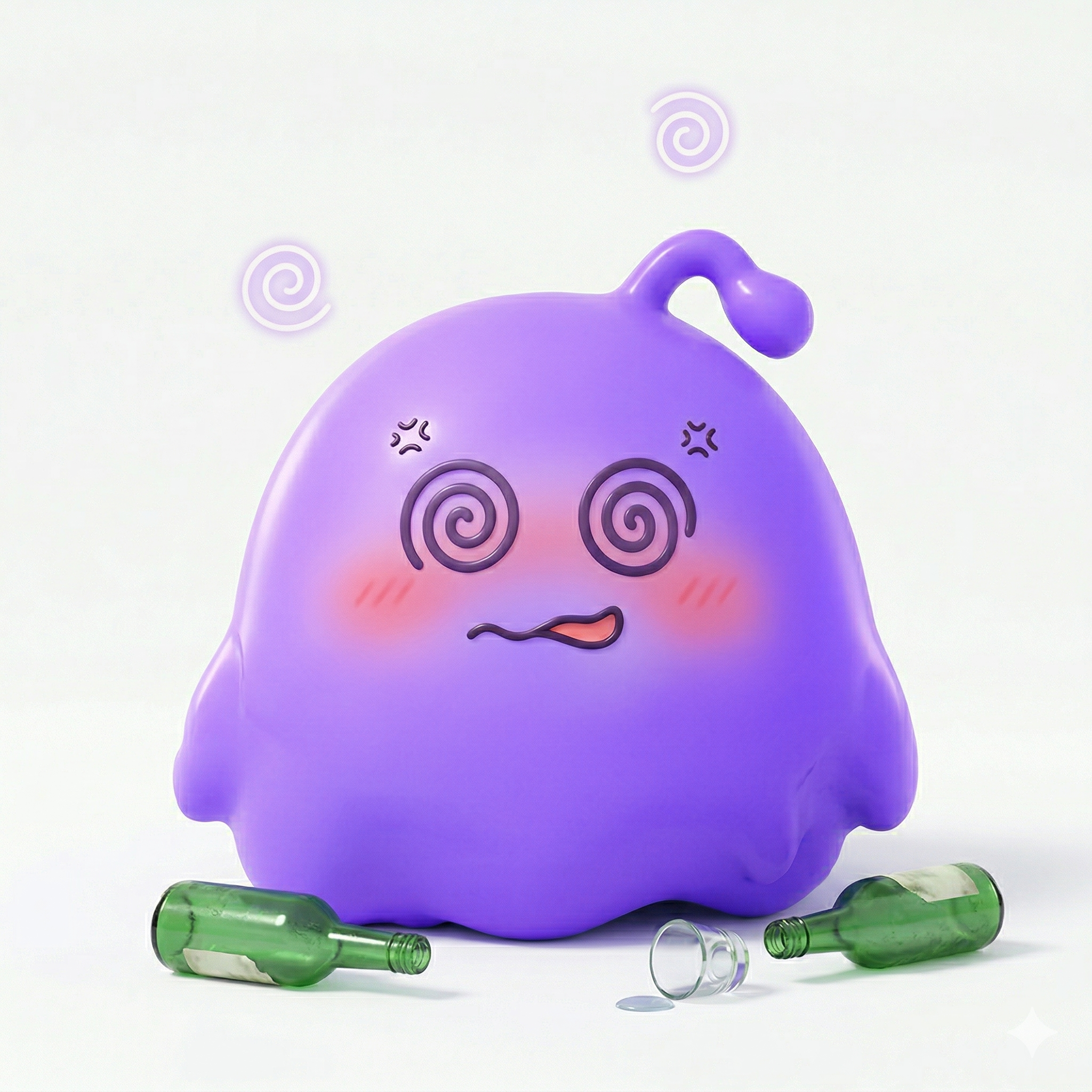
TL;DR
Alcohol reduces the time it takes to fall asleep by 10–20 minutes — but this is sedation, not sleep. It suppresses REM sleep (the stage critical for memory and emotional processing) by up to 19% from just one drink. As alcohol metabolizes around 3 AM, REM rebound and a cortisol spike pull you out of sleep. There is no dose of alcohol that improves sleep architecture. piliq tracks how your drinking patterns affect your sleep quality so you can see the impact for yourself.
Does Alcohol Help You Sleep? The Honest Answer
Alcohol is a central nervous system depressant. It binds to GABA receptors, producing a sedative effect that can cut sleep onset latency by 10 to 20 minutes. Sleep researcher Matthew Walker describes alcohol as "one of the most powerful suppressors of REM sleep we know of."
A 2013 review in Alcoholism: Clinical and Experimental Research analyzed dozens of studies and found a consistent pattern: alcohol suppresses REM sleep in the first half of the night and causes fragmented sleep in the second half as the body metabolizes it.
What Alcohol Actually Does to Your Sleep Stages
Over a normal 7–8 hour night, your brain cycles through roughly four to five 90-minute cycles (see sleep cycles explained), alternating between non-REM (deep, slow-wave sleep) and REM sleep. Alcohol attacks this architecture in two phases.
Phase 1 (hours 0–3): Sedative effects dominate. You fall asleep fast and enter deep slow-wave sleep more quickly than usual. REM is being suppressed.
Phase 2 (hours 3–6): Alcohol has a half-life of roughly 4–5 hours. When you drink at 10 PM, alcohol is still being actively metabolized at 2–3 AM. As it clears, the brain overcorrects with REM rebound and a sharp rise in cortisol. This is the direct cause of the classic wake up at 3 AM experience.
How Much Does 1 or 2 Drinks Really Affect Sleep Quality?
Researchers analyzing 4,098 nights of Oura Ring sleep data found that even moderate drinking (1–2 drinks) reduced overall sleep quality scores by 24%.
The impact on REM sleep specifically: 1 drink reduces REM by up to 19%; 2 drinks by approximately 24%; large amounts by up to 40%. There is no dosage at which alcohol improves sleep architecture.
Why Do I Wake Up at 3 AM After Drinking?
When you drink in the evening, the sedative effect keeps you under for the first few hours. Then, around the 4–6 hour mark, your body has processed most of the alcohol. Two things happen simultaneously: (1) REM rebound — the brain surges back into REM with abnormal intensity, producing vivid dreams and restless, light sleep. (2) Cortisol spike — alcohol metabolism triggers elevated cortisol in the second half of the night. Cortisol is a stimulating hormone that prepares you for wakefulness. If you drink at 10 PM and alcohol half-life is 4–5 hours, the math is simple: alcohol is still active at 2–3 AM. This is the pharmacological cause of the classic wake up at 3 AM experience.
Alcohol and Sleep Apnea: A Specific Warning
Alcohol relaxes the muscles of the throat and upper airway, directly worsening obstructive sleep apnea. Even people without diagnosed sleep apnea can experience alcohol-induced partial airway obstruction.
Sleep apnea is already underdiagnosed — alcohol can turn a mild, undetected case into a significantly disruptive one.
"The glass of wine that 'helps you relax' before bed is, in neurological terms, borrowing from tomorrow's cognitive and emotional reserves — and charging interest."
Is There Any Safe Amount of Alcohol Before Bed?
Based on the current evidence: no — if the goal is to protect sleep quality. The relationship between alcohol and sleep quality is dose-dependent and linear. More alcohol produces worse sleep. But the dose-response curve starts at the very first drink.
Practical guidance: stop drinking at least 3–4 hours before bed; hydrate well if you drink; track what happens the night after drinking. If you consistently feel tired after sleeping on mornings after drinking, that is your data.
Frequently Asked Questions
Does alcohol help you sleep better?
Alcohol reduces sleep onset latency — the time it takes to fall asleep — by roughly 10 to 20 minutes. But this is sedation, not restorative sleep. Alcohol suppresses REM sleep (the stage responsible for memory consolidation and emotional processing) by up to 19% from just one drink, and by up to 24% from two drinks. The net effect is a night that starts fast but delivers significantly less recovery than unmedicated sleep.
Why do I wake up at 3 AM after drinking?
Alcohol has a half-life of 4–5 hours. If you drink at 10 PM, your body is still actively metabolizing alcohol at 2–3 AM. When the alcohol clears, two things happen: the brain overcorrects with intense, fragmented REM rebound sleep, and cortisol levels spike sharply. Cortisol is a stimulating hormone that prepares the body for wakefulness — when it surges at 3 AM, it pulls you out of sleep. This is pharmacology, not coincidence.
How much does alcohol affect REM sleep?
The effect is significant even at low doses. One drink reduces REM sleep by up to 19%. Two drinks reduce it by approximately 24%. Heavy drinking can reduce REM sleep by up to 40%. A large-scale observational study analyzing 4,098 nights of wearable sleep data found that even moderate drinking (1–2 drinks) reduced overall sleep quality scores by 24%. There is no dose of alcohol that improves sleep architecture.
piliq tracks the correlation between your drinking and sleep quality, showing you exactly how alcohol affects your personal sleep architecture.